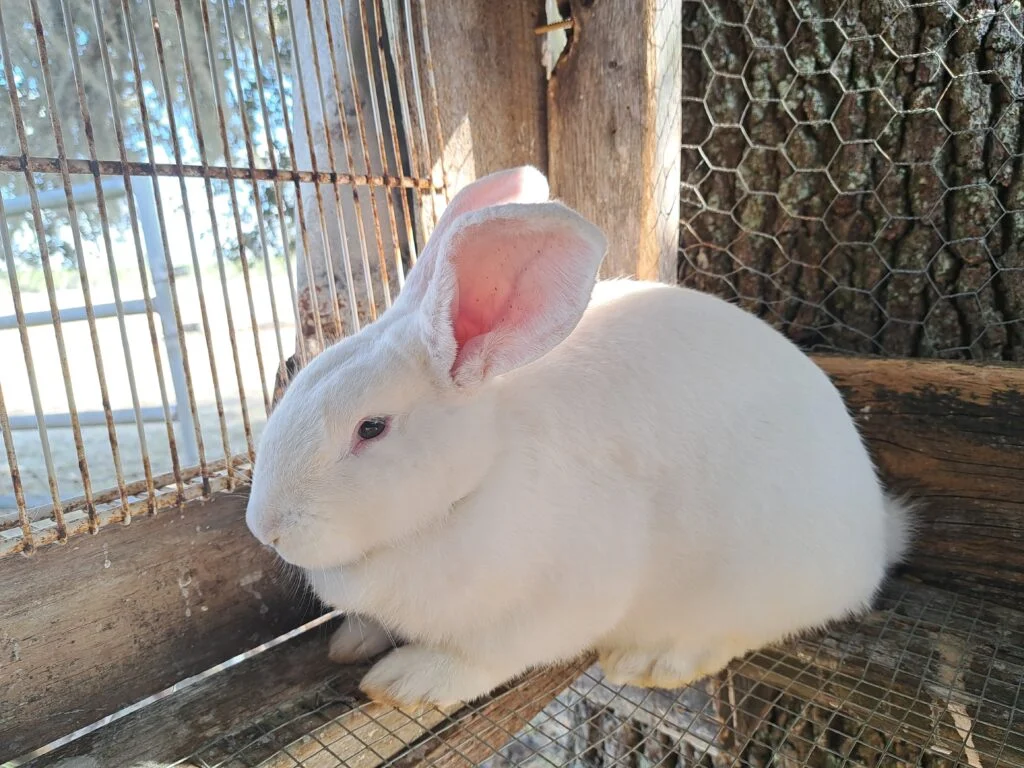
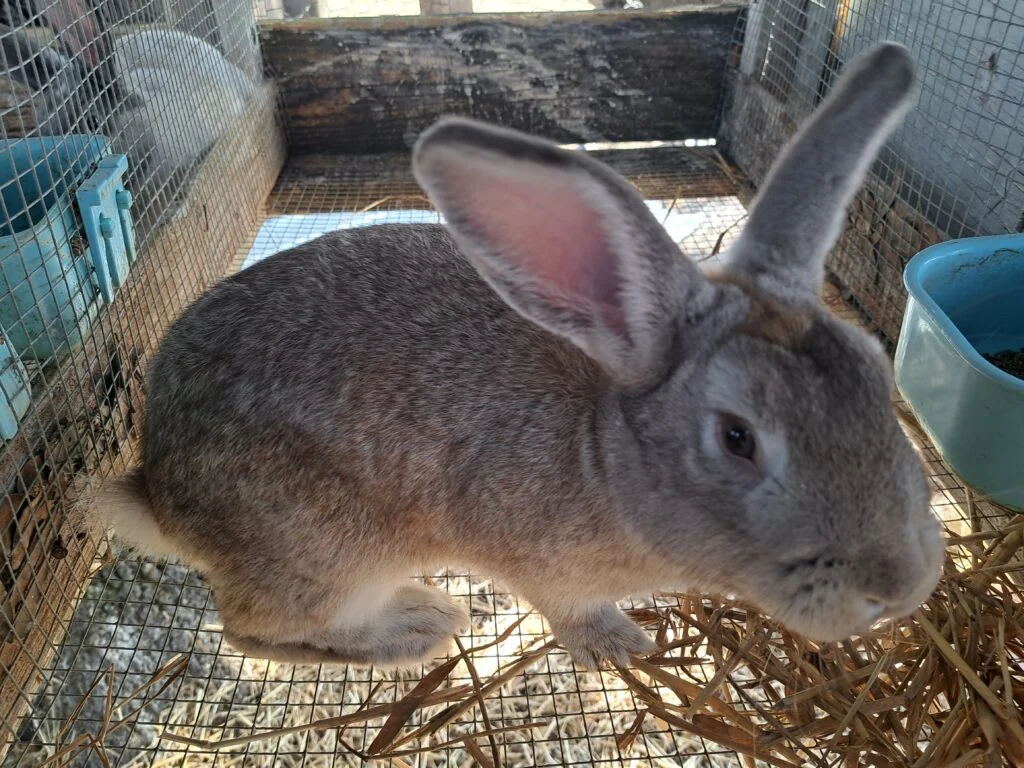
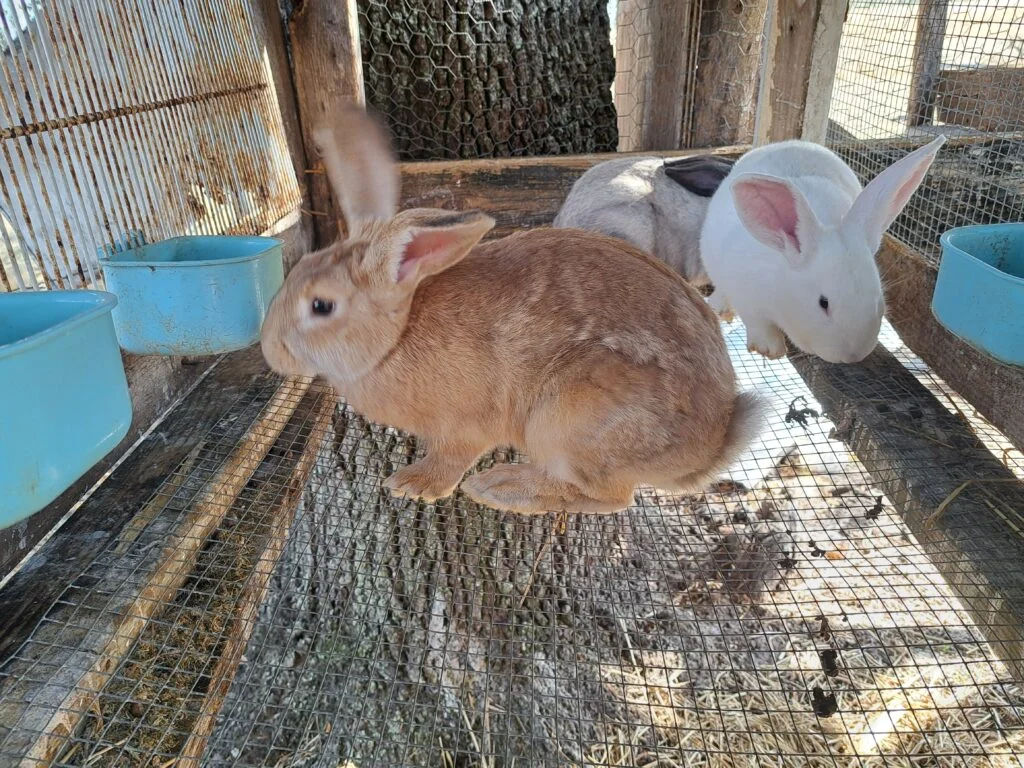
In preparation for developing a rabbitry we research meat rabbit breeds that could cope with extreme heat and humidity and below freezing temps. We researched many meat breeds including the Flemish Giant, Silver Fox, New Zealand and TAMUKs but was impressed with the TAMUK-Composite breed and settled on starting the Natural Ways Farm Rabbitry with this breed. We are starting with four does and a buck; Sunset who is Orange, Snowflake who is White, Marble who is Sallander and Samson who is Steel Chinchilla respectively. We will be acquiring new bloodlines around the time we start to breed and as they are welcomed to the rabbitry, they will be introduced to those of you who follow us. Breeding will begin in May 2026 and we will be posting developments in the rabbitry as we go along. If you are interested in the breed, we will also be posting on our social media pages and inviting guesses of the colors as the kits grow. If you are looking for breeding stock, you can contact us to be added to our waiting list. Available animals will be listed on our product page as well as on our sister website www.farmtradingpost.com
Key Characteristics & Features:
- Heat Tolerance: Their long ears, thin fur coats, and body structure allow them to tolerate high temperatures better than many commercial breeds.
- Purpose: Primarily for meat production due to strong, fast growth and, efficiency. They are however also raised as pets because of their calm/docile temperament. They are a great fit for folks trying to raise livestock the old-fashioned way—with forage, fresh air, and not too much fuss.
- Growth Rate: Kits are fast-growing, with the ability to reach a 5 lb market weight in approximately 10–11 weeks, depending on litter size.
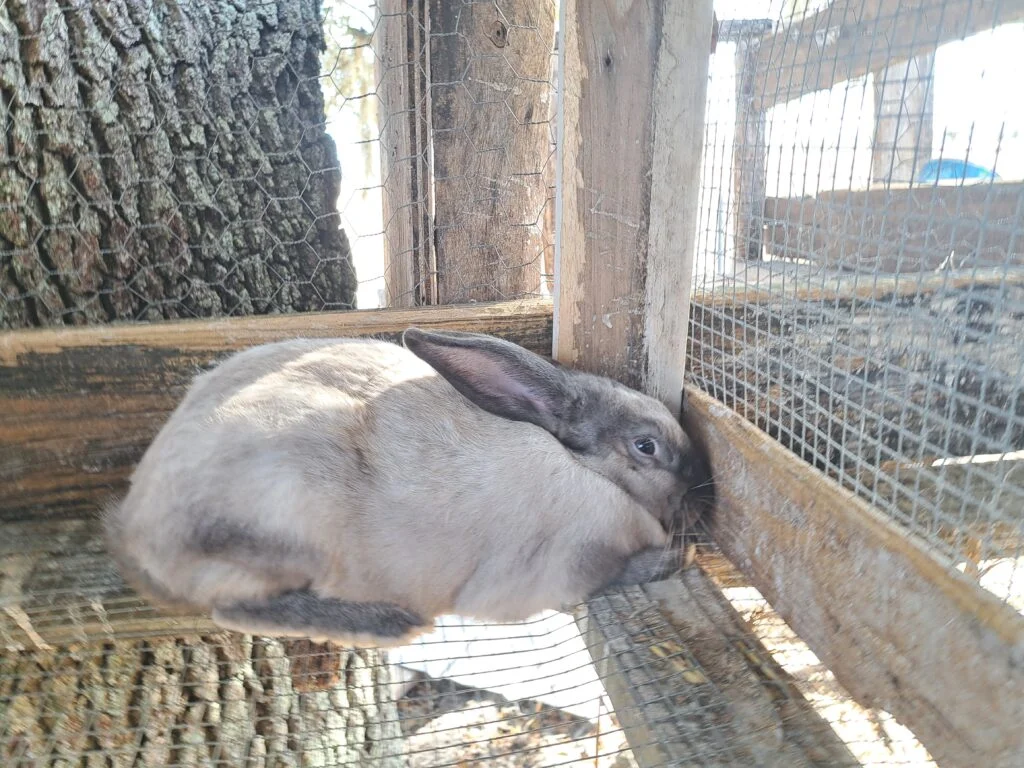
- Appearance: They exhibit diverse colors because of their mixed heritage, often featuring white feet from Dutch ancestry. Major coat color genes, including but not limited to agouti/chinchilla, black, blue, orange, chocolate, magpie, lilac, harlequin, and white are captured in this breed.
- Temperament: They are generally docile, friendly, and easy to handle, making them suitable for beginners and families.
- Production traits: Fertility, litter size, milk production, and growth.
- Status: They are not recognized by the American Rabbit Breeders Association (ARBA) as a standardized breed, but can be shown at county fairs and other events.
- Physical Traits: TAMUK rabbits are a medium-to-large, muscular meat breed typically weighing between 8 and 12 pounds (3.6 to 5.4 kg) at maturity. These robust, fast-growing rabbits often reach a processing weight of 5 lbs around 10-11 weeks of age. They have a short, smooth, and thin coat, which, along with their long ears, helps them dissipate heat efficiently.
- Mothering: Does are known for excellent maternal instincts, large litter sizes (averaging 9-12 kits), and high weaning success rates. Fat does tend to have smaller litters therefore weight management for breeders is highly recommended.
Pros and Cons:
Pros: Highly heat-hardy, fast-growing with high meat to bone ratio, and low-maintenance and every litter is a surprise in terms of color. Every pregnancy builds anticipation and excitement.
Cons: Not ideal as, show rabbits, and finding good, high-quality breeding stock can be difficult.
TAMUK rabbits are frequently used in, homesteading for, consistent, reliable, and, sustainable, meat production. They are typically not used in large commercial rabbit production but have been crossed with Silverfox, and New Zealand rabbits for better meat production and higher production. If considering raising TAMUKs, it is important that you find reputable breeders who can provide a pedigree of the rabbits you are considering tracing their lineage to the Texas A&M University-Kingsville Rabbit Project. It is therefore important for breeders to track breeding and growth and retain records to avoid line breeding of close relatives. Pelts are processed by tanning and used to produce many leather products. Price varies depending on age and the quality of the stock.
If you are interested in getting rabbits from our lines for meat or to start your own rabbitry, contact us to be placed on the waiting list.